
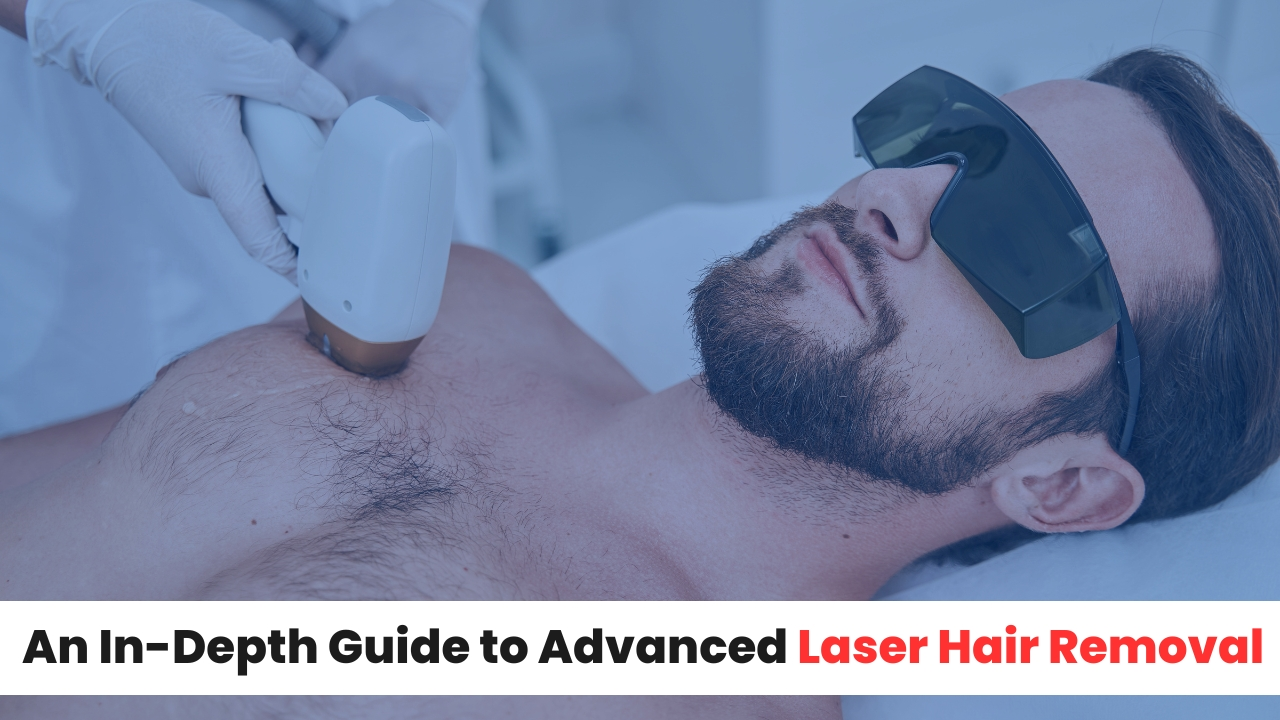
Guide to Advanced Laser Hair Removal Technology Achieve Smooth, Hair-Free Skin
Unwanted body hair has long been a cosmetic concern for individuals seeking smooth, hair-free skin. Traditional hair removal methods, such as shaving, waxing, and tweezing, often provide temporary results and can lead to irritation or ingrown hairs. In contrast, laser hair removal has emerged as a leading, long-term solution, offering precision, efficiency, and permanent results. This article explores the scientific principles, technological advancements, benefits, procedure nuances, aftercare guidelines, and potential risks associated with laser hair removal.
Introduction to Laser Hair Removal
Definition:
Laser hair removal is a sophisticated cosmetic procedure that employs concentrated light energy to target hair follicles. The light energy, delivered through a high-powered laser device, destroys the follicles, resulting in a permanent reduction or elimination of hair growth in treated areas. By targeting the pigment (melanin) in the hair follicle, laser treatments prevent the growth of new hair.
Rising Popularity:
In recent years, laser hair removal has gained widespread popularity due to its convenience, minimal downtime, and the promise of long-lasting results. As an alternative to shaving, waxing, and depilatory creams, it offers a more precise, efficient, and effective method for individuals looking to maintain smooth skin over extended periods.
How Laser Hair Removal Functions
Mechanism of Action:
The fundamental principle behind laser hair removal lies in selective photothermolysis. A laser emits a beam of light that is absorbed by the melanin in the hair follicle. As the light is absorbed, it is converted into heat, which damages the follicle’s ability to regenerate and produce new hair. The procedure effectively disrupts the hair’s growth cycle while leaving surrounding skin unharmed.
Procedure Overview:
- Laser Emission: A hand-held laser device emits targeted light pulses to the desired treatment area.
- Selective Targeting: The laser is absorbed by melanin within the hair, focusing the energy on dark, coarse hairs.
- Follicular Disruption: The absorbed light is converted into heat, which damages the follicle and stunts hair growth.
- Precision Control: Advanced laser technology ensures precise targeting with minimal impact on surrounding skin tissue.
Types of Lasers and Their Suitability
Various laser technologies are used in the field of hair removal, each optimized for different skin types and hair colors. Understanding the right laser for your skin and hair type is essential for achieving the best results.
- Ruby Laser: Best suited for individuals with light skin tones and fine hair. It is one of the oldest types of lasers used in hair removal.
- Alexandrite Laser: Effective for light to olive skin tones, offering a deeper penetration that is ideal for coarse hair.
- Diode Laser: This offers deep penetration into the skin, making it suitable for darker skin tones. It targets coarse hair efficiently while minimizing the risks of pigmentation changes.
- Nd:YAG Laser: This longer wavelength laser is considered the safest for all skin types, including tanned and dark skin, due to its ability to bypass the epidermis and reach deeper layers of the skin.
- Intense Pulsed Light (IPL): Uses a broad spectrum of light wavelengths, but its efficacy is dependent on factors like skin and hair color. It is a versatile option but less effective than the single-wavelength lasers for certain individuals.
Key Benefits of Laser Hair Removal
Laser hair removal offers several advantages over traditional methods of hair removal:
- Long-Term Reduction: After a series of treatments, patients experience a significant reduction in hair growth, with many individuals achieving permanent hair removal after multiple sessions.
- High Precision: The laser’s precision allows for targeting coarse, dark hair while leaving surrounding skin intact, reducing the risk of irritation.
- Efficiency: The laser can treat multiple hairs simultaneously, making the treatment of large areas such as the back, legs, or chest more efficient than waxing or shaving.
Minimal Downtime: Most individuals experience little to no downtime following treatment. Normal activities can generally be resumed immediately.
Laser Hair Removal Procedure
Pre-Treatment Considerations:
- Avoid Sun Exposure: Direct sun exposure or tanning should be avoided for at least one month before and after treatment to reduce the risk of pigmentation changes.
- Shaving: Shave the treatment area a day before your session to ensure that the laser effectively targets the hair follicle and not the hair above the skin’s surface.
- No Waxing or Plucking: Avoid waxing or plucking for at least 4-6 weeks prior to treatment, as these methods remove the hair from the root, which is necessary for the laser’s effectiveness.
During the Treatment:
- Cooling Gel Application: A cooling gel is typically applied to the skin to minimize discomfort and enhance the efficiency of the laser.
- Laser Pulse Delivery: During the treatment, the patient will feel a sensation similar to the snap of a rubber band against the skin. This is due to the rapid pulses of light emitted by the laser.
Post-Treatment Care:
- Soothing Creams: To alleviate any discomfort or redness, post-treatment creams such as aloe vera gel or hydrocortisone can be applied.
- Sun Protection: It is essential to protect the treated skin from direct sunlight by applying a broad-spectrum SPF 30 or higher sunscreen daily.
- Avoid Heat Exposure: Refrain from activities that involve hot water, such as hot baths, saunas, or strenuous exercise, for 48 hours following treatment.
Effectiveness and Required Sessions
Hair Growth Cycles:
Laser hair removal targets hair in the active growth phase (anagen phase). Since not all hairs grow at the same time, multiple treatments are required to treat all hairs during their active phase. This is why 4-6 sessions, spaced 4-6 weeks apart, are typically needed for optimal results.
Maintenance Sessions:
After the initial round of treatments, some individuals may need occasional maintenance sessions to address any new hair growth. This is especially true for individuals experiencing hormonal changes that can trigger hair regrowth.
Safety Considerations and Side Effects
While laser hair removal is generally considered safe when performed by certified professionals, some side effects may occur:
Common Side Effects:
- Redness and Swelling: Temporary redness or swelling, similar to a mild sunburn, can occur following treatment.
- Pigment Changes: Lightening or darkening of the skin in the treated area is a rare, temporary side effect.
Rare Side Effects:
- Blistering or Scarring: Though uncommon, blistering or scarring may occur if the procedure is not performed correctly.
- Skin Texture Changes: Some individuals may experience textural changes in the skin, though this is rare.
Safety Precautions:
- Professional Consultation: It is essential to consult with a certified dermatologist or licensed laser practitioner to evaluate your skin and hair type before undergoing treatment.
FDA-Approved Devices: Ensure that the clinic or professional you choose uses FDA-approved laser devices and follows established safety protocols to minimize risks.
At-Home Devices vs. Professional Treatments
While there are many at-home laser devices available, they differ significantly in terms of power and effectiveness compared to professional treatments:
- At-Home Devices: These devices are typically less powerful and require frequent use. They are most effective on lighter skin tones with dark hair.
- Professional Treatments: Performed by trained professionals, these treatments use more powerful lasers, which result in quicker and more effective results. Professional treatments are also customized based on individual skin and hair types, reducing the risk of side effects.
Considerations Before Laser Hair Removal
- Skin and Hair Type: Laser hair removal works best for individuals with light skin and dark hair due to the contrast that allows the laser to effectively target the hair pigment.
- Medical History: Discuss any relevant medical conditions or medications with your practitioner, as some conditions and drugs may affect the treatment’s efficacy or safety.
- Realistic Expectations: While laser hair removal can significantly reduce hair growth, it may not guarantee complete, permanent hair removal for everyone. Setting realistic expectations and following the prescribed treatment plan is crucial for success.
Conclusion
Laser hair removal is a revolutionary, long-term solution for individuals seeking smooth, hair-free skin. By understanding the different types of lasers, benefits, treatment protocols, and safety precautions, patients can make informed decisions about whether this procedure is right for them. When performed by qualified professionals, laser hair removal offers an efficient and effective alternative to traditional hair removal methods, providing long-lasting results with minimal downtime.
Why Choose HairLook Aesthetics?
✔ Experienced Professionals – Our team of experts ensures safe and effective treatments.
✔ Advanced Technology – We use the latest techniques for optimal results.
✔ Personalized Treatments – Every client receives customized care.
✔ Certified & Safe Procedures – We prioritize safety and quality.
✔ Proven Results – We deliver long-lasting, natural enhancements.
At HairLook Aesthetics, we are committed to helping you look and feel your best. Book a consultation today and take the first step towards greater confidence!